
In the digital age, the proliferation of gadgets and electronic devices often leads to a tangled web of cables. Proper cable management not only improves the tidiness of your workspace but also enhances the longevity and performance of your electronics. Through meticulous habits, one can transform the daunting task of managing cables into a seamless routine that ensures efficient maintenance and troubleshooting of devices.
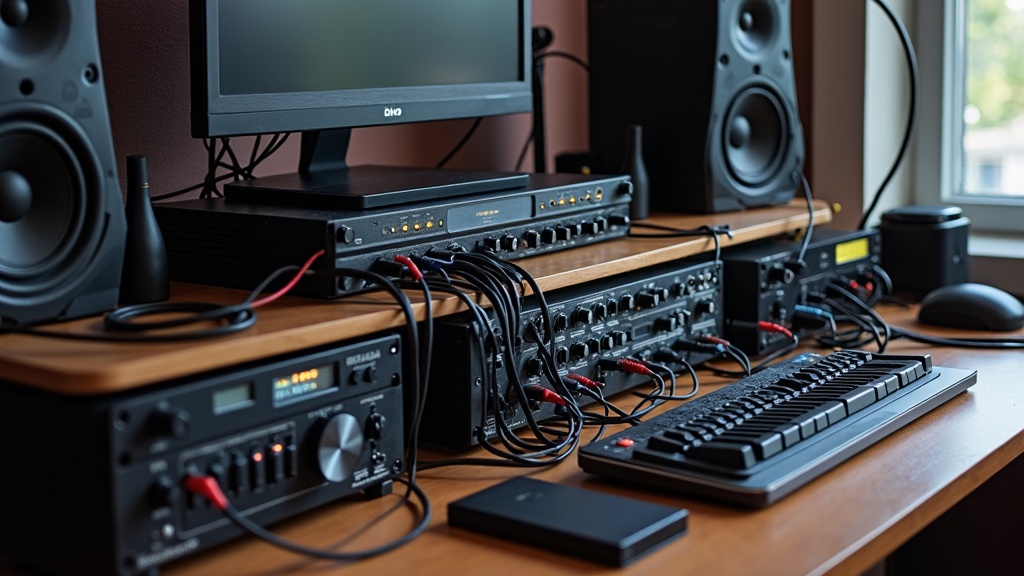
Understanding the Importance of Cable Management
Cable management isn't just about aesthetics; it's about functionality and safety. Mismanaged cables can cause disruptions in power and data flow, leading to frequent device malfunctions and increased wear and tear. Moreover, tidy cables make it easier to spot potential problems and perform checks regularly.
Starting with a Plan: Mapping Out Connections
A strategic approach begins with understanding your setup’s layout. Before plugging in, map out where each device will be positioned and how they connect to power supplies and each other. This planning stage minimizes cable length usage and prevents crossing paths that lead to confusion.
Choosing the Right Tools: The Essentials of Cable Management
Investing in cable management tools such as cable ties, clips, and sleeves can make a substantial difference. These tools are designed to organize and protect cables, helping you create cleaner paths and reducing the risk of wear due to friction or environmental factors.
Labeling Like a Pro: Simplifying Routine Checks
Keeping track of numerous cables is challenging. Labeling each cable with clear identifiers, such as labels or color coding, simplifies future troubleshooting and maintenance tasks. It allows you to quickly identify which cable belongs to which device, saving valuable time.
Harnessing the Power of Wireless Connections
Transitioning to wireless solutions where possible can drastically reduce cable clutter. Devices like wireless mouse, keyboards, and networking solutions diminish the number of physical connections needed, easing overall management and enhancing the aesthetic and functionality of your environment.
Regular Maintenance: The Routine of a Cable Manager
Developing a routine to regularly check and maintain your cables ensures they remain functional. Once a month, dedicate time to inspect cable conditions, re-enforce loosening ties, and make necessary replacements. This proactive habit prevents minor issues from escalating over time.
Safety Measures: Protecting Your Investment
Safety in cable management often goes unnoticed. Ensuring cables are not under stress, not pinched in furniture, and are routed without sharp bends significantly reduces the risks of electrical faults or fires. Safety should always be a key consideration in managing cables.
The Zen of Minimal Cables
Minimalism plays a pivotal role in efficient cable management. Opt for quality over quantity; use high-quality cables that support multiple functions, like data and power transfer. When fewer cables are used, upkeep becomes significantly simpler, hence, easier maintenance.
Adapting to Change: Continual Improvement
Technology rapidly evolves, and your cable management should follow suit. Staying informed about new devices, cable solutions, and management techniques will ensure you always have the optimal setup. Be ready to adapt your system for improved efficiency and ease of maintenance.